
BMW is expanding its battery supply network, adding Samsung SDI and LG Energy Solution as suppliers for its next generation of electric vehicles.
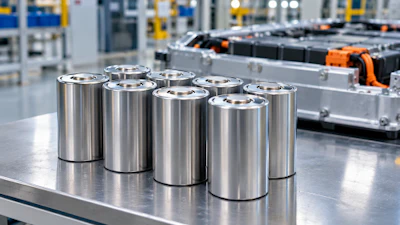
The German automaker announced Nov. 9 that the two companies will provide battery cells for its sixth-generation, or Gen6, high-voltage battery systems beginning in the late 2020s.
Samsung SDI will supply cells from European operations, while LG Energy Solution will provide cells manufactured in the United States.
The agreements form part of BMW's strategy to source components closer to its vehicle assembly operations, reducing transportation distances and strengthening supply reliability.
BMW will also continue working with CATL and EVE Energy, giving the automaker several battery cell suppliers across its global manufacturing network.
To support the new battery systems, BMW has established five battery assembly facilities near vehicle production plants in Germany, Hungary, China, the United States and Mexico.
The company is also expanding its battery research and recycling operations in Germany, including work on recovering valuable materials from used battery cells.
The move reflects the growing importance of battery technology to vehicle performance, manufacturing costs and long-term EV production.
For Canadian collision repair facilities, BMW's expanding battery supply network highlights the growing complexity of high-voltage battery identification and repair.
As manufacturers introduce new battery generations and work with multiple suppliers, repairers will need to ensure they are following procedures specific to the vehicle and battery system being serviced.
Battery inspection, damage assessment, isolation procedures and replacement requirements may differ between vehicle generations.
Repair facilities should not assume that experience with an earlier BMW electric vehicle automatically applies to the next generation.
The development reinforces the importance of high-voltage training and access to current OEM technical information. As battery technology continues to change, accurate identification and assessment will remain essential to safe, economical collision repairs.