Peterborough, Ontario -- Ontario Premier Doug Ford was in pointed opposition this week as the federal government announced a new trade agreement with China that will allow tens of thousands of Chinese electric vehicles (EVs) into Canada — a move he says threatens the heart of Ontario’s auto industry.
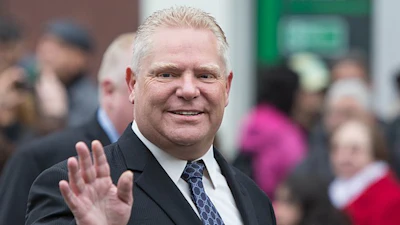
At Queen’s Park in Toronto, Ford’s tone was blunt. “Boycott the Chinese-made EV vehicles. Support the companies that support us,” he said, urging Canadians to reject imports he believes will undercut domestic jobs and investment. “If they decide to do it, at what cost? Is it the cost to your neighbour down the street who’s working in the auto sector? He’s not going to have — or she’s not going to have —a job.”
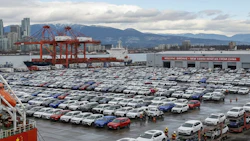
The federal deal, struck by Prime Minister Mark Carney during a recent visit to Beijing, reduces tariffs on Chinese EVs from an imposed 100% surtax to a much lower tariff of about 6.1%. Under the agreement, Canada will allow up to 49,000 Chinese-made EVs to be imported each year under the capped tariff rate, with that quota potentially rising to 70,000 vehicles over the next five years.
Carney has defended the shift as a controlled re-entry of Chinese vehicles into the Canadian market, framed as an opportunity to boost consumer choice and potentially attract joint venture investments and production in Canada’s EV supply chain.
But for Ford, the risks outweigh the rewards. He has repeatedly criticized Ottawa for not ensuring any guaranteed investment or job protection for Ontario’s auto workers in return, accusing the federal government of treating Ontario workers “like a pawn.”
The timing of the controversy comes as Ontario has poured significant resources into becoming a North American hub for electric vehicles and the batteries that power them. Over the past several years, the province and its partners have attracted tens of billions in EV and battery supply chain investments, including major battery manufacturing plants in Windsor and St. Thomas and related facilities supporting EV materials production.
These include a $5 billion battery plant with Stellantis and LG Energy Solution and a $7 billion Volkswagen battery facility — part of a broader wave of about $46 billion in new investments in EV manufacturing and battery infrastructure drawn to Ontario and Canada’s EV ecosystem. Ontario also invested $17.5 million in Electra Battery Materials through the Invest Ontario Fund to support the construction of North America's first battery-grade cobalt sulfate refinery in Temiskaming Shores, a key step in building Ontario's EV supply chain.
Ford warns China’s cheaper EV imports could erode the very industry Ontario has worked to build. “This was not thought out properly, this is going to be a big, big problem,” he told reporters.
Meanwhile, Ottawa seeks to balance economic diplomacy with protection for domestic manufacturers. Whether Ontario’s hefty EV and battery investments will withstand the shock of lower-cost competition remains one of the biggest unresolved questions facing Canada’s auto sector.