
VICTORIA—British Columbia is preparing a significant reset of its zero-emission vehicle (ZEV) framework, unveiling a slate of regulatory updates aimed at maintaining EV momentum while easing away from previous targets such as the 100-percent ZEV sales requirement. According to the Province, the shift is intended to align B.C. with federal direction, broaden consumer choice and address ongoing affordability concerns for drivers and automakers.
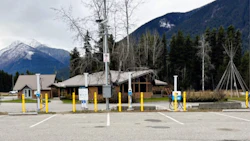
Energy and Climate Solutions Minister Adrian Dix said B.C. continues to lead North America in EV adoption, noting more than 210,000 ZEVs on provincial roads and over 7,000 public charging stations now in operation. The Province remains on track to reach 10,000 chargers by 2030 and plans to introduce a broader legislative update in spring 2026. That package will recalibrate long-term ZEV targets based on the ongoing CleanBC review and consultations with industry and consumers.
The Province stressed that federal alignment is now essential, with Ottawa currently reviewing its own national EV mandate. B.C. says operating under a separate set of rules no longer makes sense for industry planning or long-term adoption. A single harmonized national sales target, the government argues, is critical for certainty. The results of the federal review will directly shape B.C.’s 2026 legislation.
While automakers remain on track to meet B.C.’s 2026 requirements, the government acknowledged persistent pressures—high purchase prices, cooling consumer demand, supply-chain challenges, U.S. tariffs and uncertainty around national policy. Companies that fall short of annual requirements will be able to rely on a one-year grace period under the existing Zero-Emission Vehicles Act, giving government time to complete its legislative reset.
Along with the long-term overhaul, B.C. has introduced two immediate regulatory updates intended to support affordability and help manufacturers comply. The first expands eligibility for ZEV credits—broadening the number of models consumers can access and easing range requirements for plug-in hybrids and battery-electric vehicles. The move is expected to preserve access to PHEVs in rural and remote communities, where extended range and fuel flexibility remain critical.
The second update establishes the ZEV Affordability Program, set to roll out in 2026. Automakers will be able to earn additional credits by lowering vehicle prices, offering zero- or low-interest financing, expanding charging-support programs or investing directly in infrastructure across the province. Government says the program aims to reduce costs for drivers while improving the availability of more affordable EV models.
Early industry response has been cautiously optimistic. Blair Qualey, president and CEO of the New Car Dealers Association of BC, called the updates “helpful interim steps,” saying they provide short-term relief for both consumers and dealers facing rising costs and uncertain demand. He emphasized that next spring’s full review must address affordability—including rebate support—to be effective. Daniel Breton, president and CEO of Electric Mobility Canada, welcomed the Province’s “pragmatic approach,” saying steady regulation paired with targeted adjustments will help ensure British Columbians retain access to a wider range of affordable EV options.
Taken together, the measures reflect a more flexible, economically grounded direction for B.C.’s EV policy. While the Province is stepping back from its earlier 100-percent mandate, officials maintain that the revised framework is designed to keep B.C. at the forefront of ZEV adoption while balancing cost, consumer needs and market realities.