
I have been thinking a lot lately about how quickly collision repair is changing.
Change is nothing new in this industry. Anyone who has been around collision repair for any length of time has watched vehicles go from relatively simple machines to rolling networks of software and sensors. We have changed the way we weld, paint, diagnose and estimate. We have learned new materials, systems and procedures, and somehow we have continued to repair vehicles that keep getting more complicated. What feels different now is the speed of the change.
Electric vehicles are not simply introducing another technology for technicians to learn. They are challenging some of the ways we have always approached a repair. The information we need before starting a job is different. The equipment is different. The training is different. Even the consequences of getting something wrong can be different.
There will always be shops that are early adopters and shops that wait until they have no choice. There is nothing unusual about that. What concerns me is the possibility that vehicles are changing faster than the industry’s ability to establish the standards, training and repair capacity needed to keep up.
We cannot look at EVs simply in terms of how many are on the road. We have to think about what happens when they are damaged: who is equipped to repair them, and who understands the manufacturer’s requirements well enough to do it safely. Those questions become more pressing, not less, as the traditional repair process changes along with the vehicle.
I have always thought that good collision repair starts with good people making good decisions. Technology does not change that. If anything, it makes it more important. A scan, estimating system or repair procedure can give you information, but someone still has to understand what that information means and what needs to happen next.
That is why I find the idea of blueprinting so interesting, and why you will see it come up often in these pages. The better we understand a repair before we begin, the fewer surprises we should have once the vehicle is in production. EVs are making that discipline increasingly important. We are moving toward a point where you cannot simply start taking a vehicle apart and figure things out as you go.
There is also something encouraging in all of this. Collision repair has adapted before. It will adapt again. A business that has been repairing vehicles for 100 years does not survive by doing things the same way for 100 years. It survives by recognizing when things have changed and being willing to change with them. I think that is an important lesson for our entire industry.
The shops that succeed with EVs will not necessarily be the ones that spend the most money or have the newest equipment. They will be the ones that understand what is changing, invest in their people and are willing to rethink processes that may have worked perfectly well for the vehicles of the past.
That does not mean the transition will be easy. There are legitimate concerns around certification, access to repair information, parts availability, training and the cost of becoming properly equipped. There are also questions the industry has not fully answered yet. But that is exactly why the conversation matters.
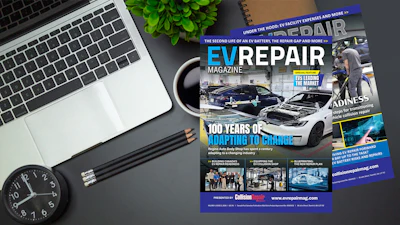
EV Repair is not intended to tell the industry that it has everything figured out. It is intended to be part of that conversation. There is a lot we do not know yet, but there is also a lot we can learn from the people already doing the work.
The vehicles are changing. The question is whether we are prepared to change with them. I think we have to be.